


Bridging the Gaps for Social Justice: Is Hamilton Getting a Fair Shake?
Updated: Aug 21
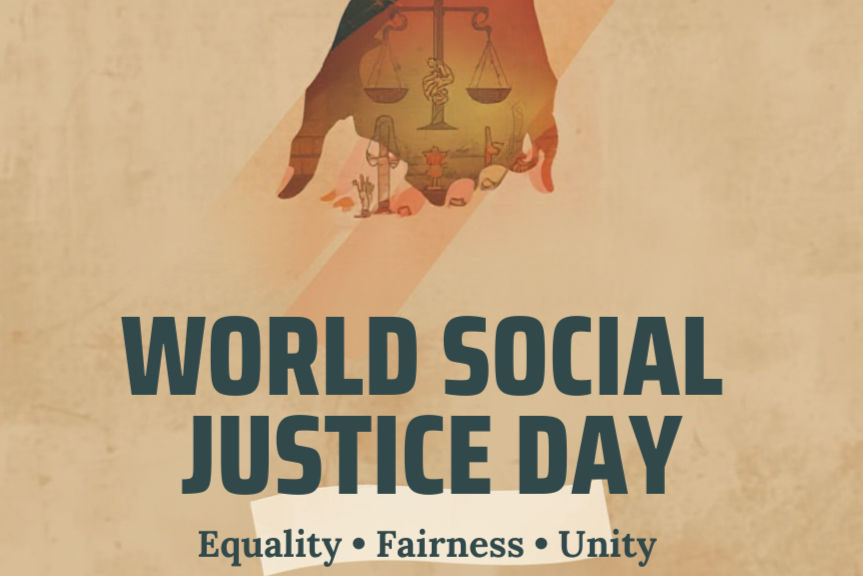
Every year on 20 February, communities around the world mark World Day of Social Justice, a day established by the United Nations to promote equality, decent work, poverty reduction, and human rights.
Empowering Inclusion: Bridging Gaps for Social Justice
This year's theme, Empowering Inclusion: Bridging Gaps for Social Justice, couldn't feel more relevant and calls on all of us to break down the barriers that deny equal rights and stop people from living full, dignified lives. It means making sure no one is locked out of opportunity because of their income, disability, ethnicity, gender, age, or background.
Social Justice in Scotland and closer to home
In Scotland, inequality remains a challenge. We’ve made some progress, but 1 in 5 working-age adults are still living in relative poverty after housing costs.
The latest Poverty in Scotland report from the Joseph Rowntree Foundation found that 42% of people receiving low-income benefits like Universal Credit are still trapped in poverty.
And the Child Poverty Action Group’s latest statistics reminds us that 70% of children living in poverty in Scotland are in working households.
Rising living costs are hitting low-income households hardest, we have persistent child poverty rates, deepening food insecurity and widening inequalities in health and employment. Having a job simply isn't enough anymore and the safety net isn't catching everyone it should.
South Lanarkshire has been hit particularly hard. Many parts of South Lanarkshire have some of the most deprived data zones in Scotland and face some of the highest hurdles in the country.
You’ve likely felt it, things are getting tougher, and trying to balance the electric meter and the grocery bill seems to have become the ongoing norm.
Bridging the gap means actively working to change that.
It's about your neighbour being able to pay their bills, it's about your rights at work, your kids having the same opportunities as anyone else. It means making sure that living in a lower-income postcode doesn't mean you get a ‘lower-quality’ life.
Social justice thrives when every voice is heard and every community is valued.
So, what can we do about it?
A Focus for Social Justice: What Needs to Change
1. Equality and Non-Discrimination: Everyone Deserves a Fair Chance
True social justice and equality mean removing barriers based on gender, race, religion, disability, or social background, not just in law, but in practice.
Discrimination still affects access to housing, employment, and services across the UK. And it isn't always a loud shout, sometimes it’s a quiet ‘no’ to a job application because of where you live or your background.
In Scotland, the disability employment gap stands at 31.5% and minority ethnic households face higher poverty rates than white British households. These gaps don't just happen, they're built into systems, and they can be dismantled with the right policies and attitudes.
In Hamilton, empowering inclusion means ensuring local services are accessible, culturally aware, and responsive to community needs.
It's making sure that everyone gets a fair shot, regardless of race, gender, or disability.
2. Poverty Alleviation: Supporting Real People in Real Need
Poverty is not just about income, it’s about access to essentials like food, heating, transport, and digital connectivity. Inclusion means removing financial barriers that prevent participation in everyday life, where targeted social security measures can significantly reduce hardship.
Bridging gaps could mean:
Better awareness of benefit entitlements
Greater access to local food initiatives
Community-led support networks
Actively supporting local lifelines
Improving digital access for communities.
3. Employment and Decent Work: Fairness at Work
Are you working 40 hours a week and still struggling? That is a social justice issue. Work should provide security and dignity. Decent work means fair pay, safe conditions, equal opportunity and a healthy working environment. Decent work is not a luxury, it’s a foundation of social justice.
Yet many workers across Scotland face insecure contracts and rising living costs. For our community, access to fair, flexible, and accessible employment is crucial, especially for disabled people, single parents, and those returning to work after periods of hardship.
Promoting the Real Living Wage, supporting local employers who invest in fair practices, and improving access to training are practical ways to bridge employment gaps in our community.
4. Education and Empowerment: Better Futures
Education opens doors. But access isn’t equal.
Education and social inclusion go hand in hand. When people have access to learning whether that's formal qualifications, digital skills, or community training, they gain confidence, opportunity, and independence. Empowerment through education is one of the most powerful tools we have for long-term change.
Digital exclusion remains a serious barrier for many. Without reliable internet access or digital skills, applying for jobs or training becomes harder.
Empowering inclusion means investing in:
Community learning programmes
Skills development
Digital literacy support
Youth mentoring initiatives.
Bridging the gap means making sure every adult in Hamilton can go back to school or learn a new trade without worrying about how to pay for the childcare while they study.
5. Knowing Your Rights: Human Rights Advocacy
When the system feels like a maze, it’s easy to feel overwhelmed. But you have rights. Whether it's a dispute with a landlord or a problem with your benefits, human rights advocacy is about giving you the tools to claim what you are legally entitled to.
Human rights protect dignity. From housing rights to protection from discrimination, these safeguards ensure fairness in society.
It also centres the voices of those most often left out such as young people, informal workers, people experiencing homelessness, disabled people, people seeking asylum and older people. That means advocating for anyone who feels like the system wasn't built for them.
What Can We Do in Hamilton?
You don't have to be a politician or campaigner to make a difference. Social justice starts in our communities, conversations, and our choices.
Share this post to raise awareness of World Day of Social Justice 2026
Share your story: Use the hashtag #HamiltonJustice2026 to talk about the changes you want to see in our town.
Support a local charity working on poverty, food security, or inclusion
Volunteer time or skills to local initiatives
Check in on a neighbour who might be struggling
Promote fair employment practices
Use your voice: Write to your local councillor or MP about issues that matter
Know your worth: If you think you're being treated unfairly at work or by a landlord, reach out for local advice.
Bridging the Gaps Together
On this World Day of Social Justice 2026, let's ensure that everyone in Hamilton, regardless of circumstance, feels seen, heard, and valued.
Social justice thrives when we move from awareness to collective action.
Learn more at the United Nations World Day of Social Justice page.
If you enjoyed this blog, please take a look at some of our other blogs ranging from carers' rights to using your experience to become a charity trustee.


Comments